

12 products
-

 Unfragranced Beauty BalmVendor:Unfragranced Beauty BalmLyonsleaf Natural Skincare
- Regular price
-
£2.75 £17.50 - Regular price
-
- Sale price
-
£2.75 £17.50
Quick view
-
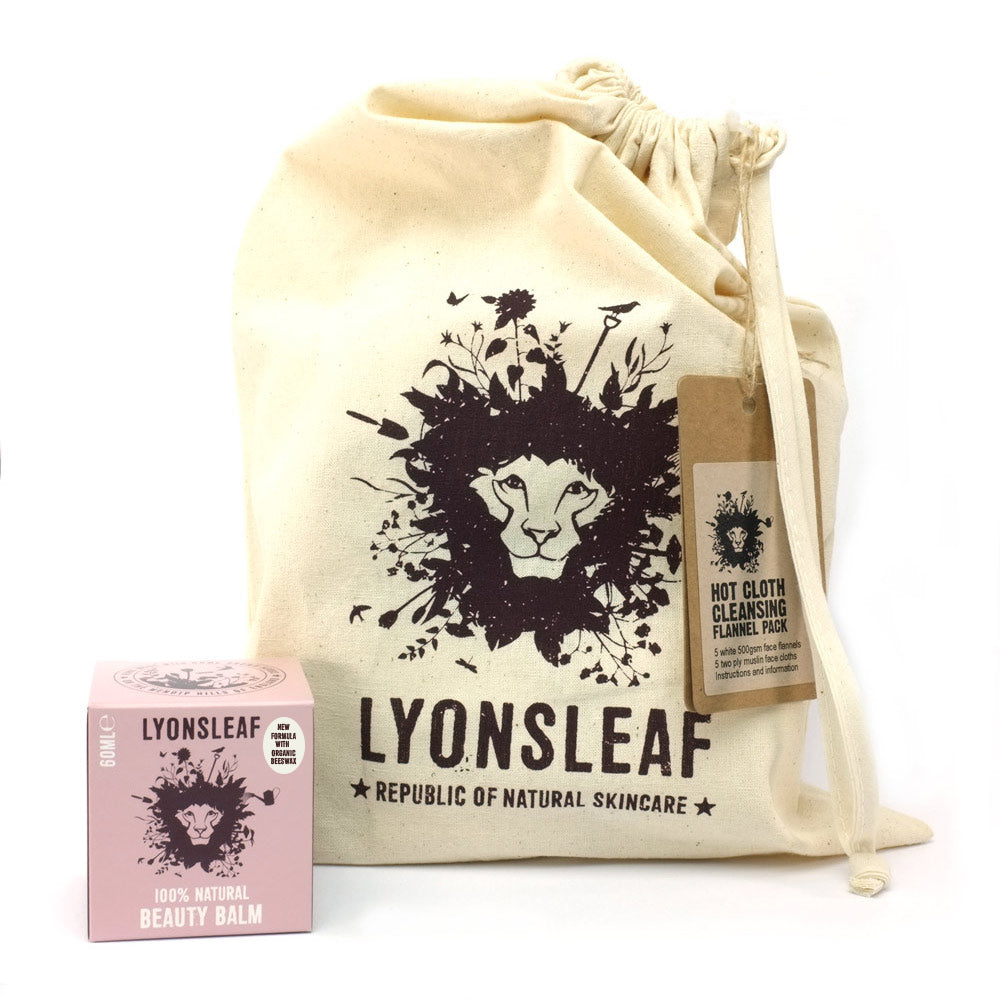 Balm Cleanser Complete Kit (Oil Cleansing / Hot Cloth Cleansing)Vendor:Balm Cleanser Complete Kit (Oil Cleansing / Hot Cloth Cleansing)Lyonsleaf Natural Skincare
- Regular price
-
£29.99 - Regular price
-
- Sale price
-
£29.99
Quick view
-
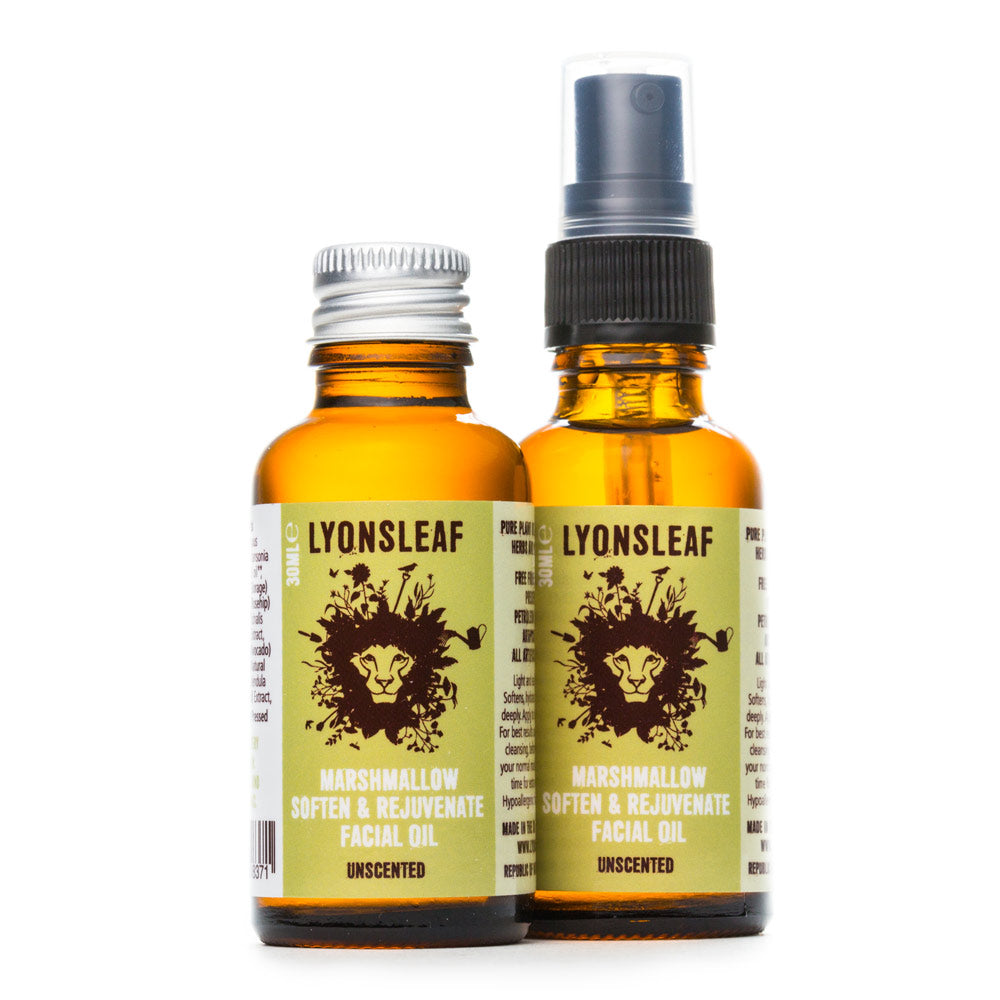
 Unscented Marshmallow Soften and Rejuvenate Facial Oil 30mlVendor:Unscented Marshmallow Soften and Rejuvenate Facial Oil 30mlLyonsleaf Natural Skincare
- Regular price
-
£19.99 - Regular price
-
- Sale price
-
£19.99
Quick view
-

 Night and Day Complete Facial Skincare SystemVendor:Night and Day Complete Facial Skincare SystemLyonsleaf Natural Skincare
- Regular price
-
£34.99 £36.99 - Regular price
-
- Sale price
-
£34.99 £36.99
Quick view
-

 Calendula and Marshmallow BalmVendor:Calendula and Marshmallow BalmLyonsleaf Natural Skincare
- Regular price
-
£2.75 £31.99 - Regular price
-
- Sale price
-
£2.75 £31.99
Quick view
-
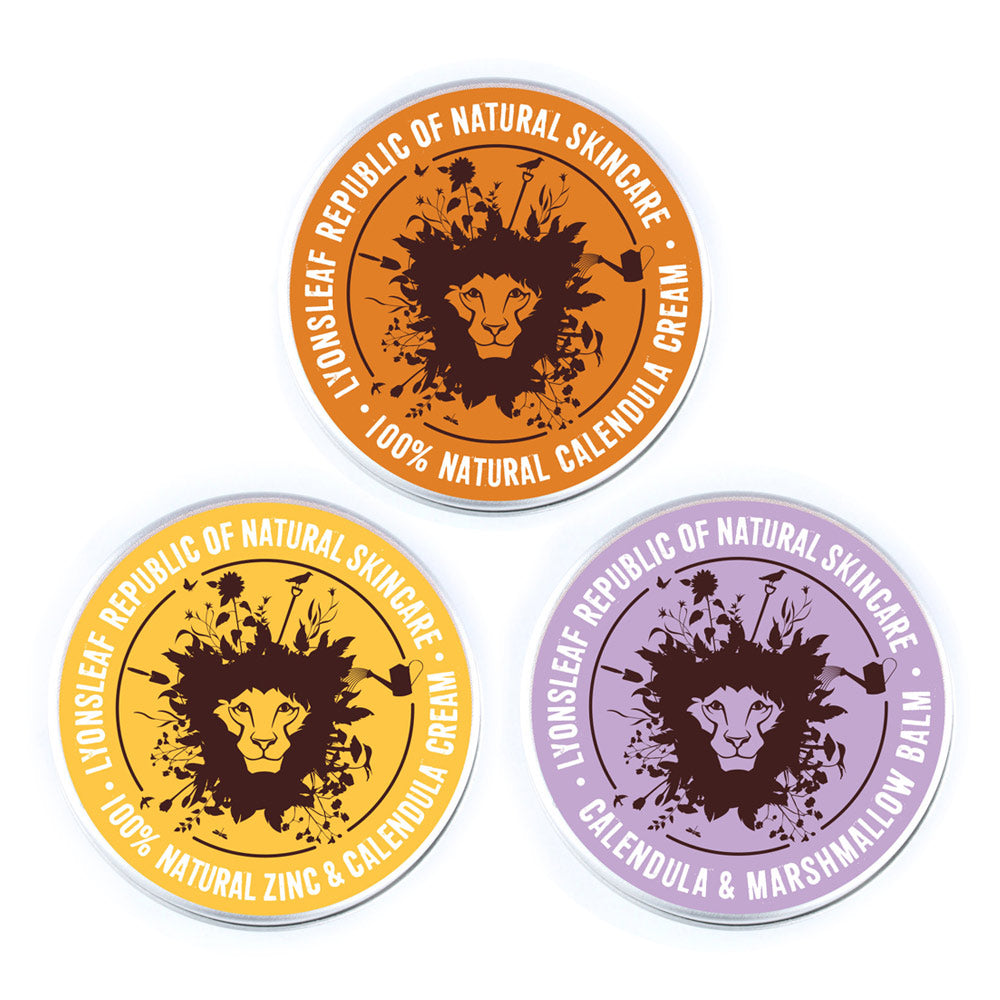
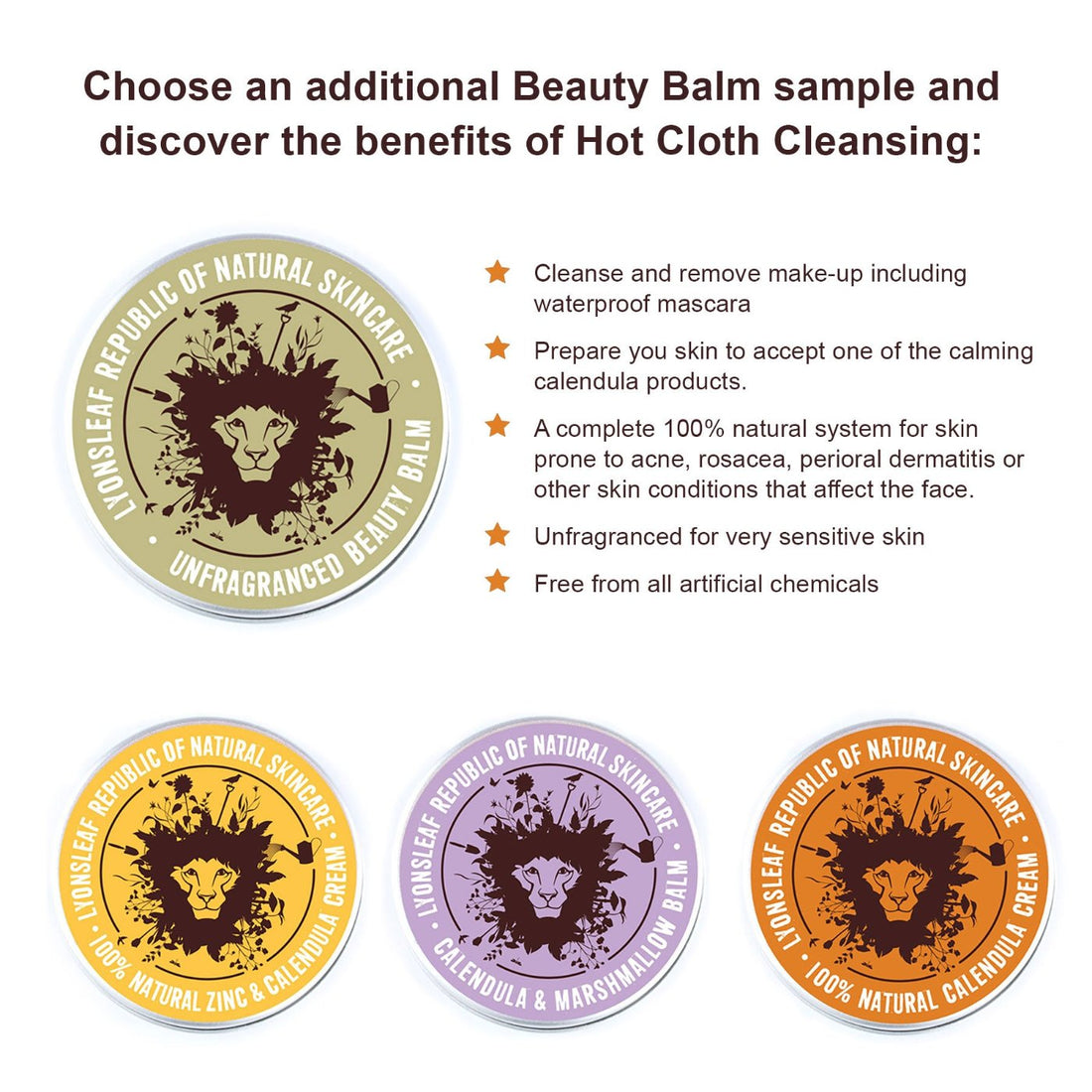 Calendula Skin Rescue Sample Set (3 x 3ml)Vendor:Calendula Skin Rescue Sample Set (3 x 3ml)Lyonsleaf Natural Skincare
- Regular price
-
£6.99 £8.50 - Regular price
-
- Sale price
-
£6.99 £8.50
Quick view
-
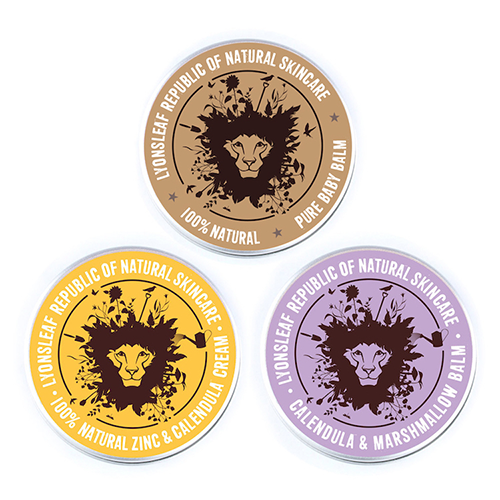 Baby Skin Care and Eczema Sample SetVendor:Baby Skin Care and Eczema Sample SetLyonsleaf Republic of Natural Skincare
- Regular price
-
£6.99 - Regular price
-
- Sale price
-
£6.99
Quick view
-

 Flannel BaleVendor:Flannel BaleLyonsleaf Natural Skincare
- Regular price
-
£19.99 - Regular price
-
- Sale price
-
£19.99
Quick view
-
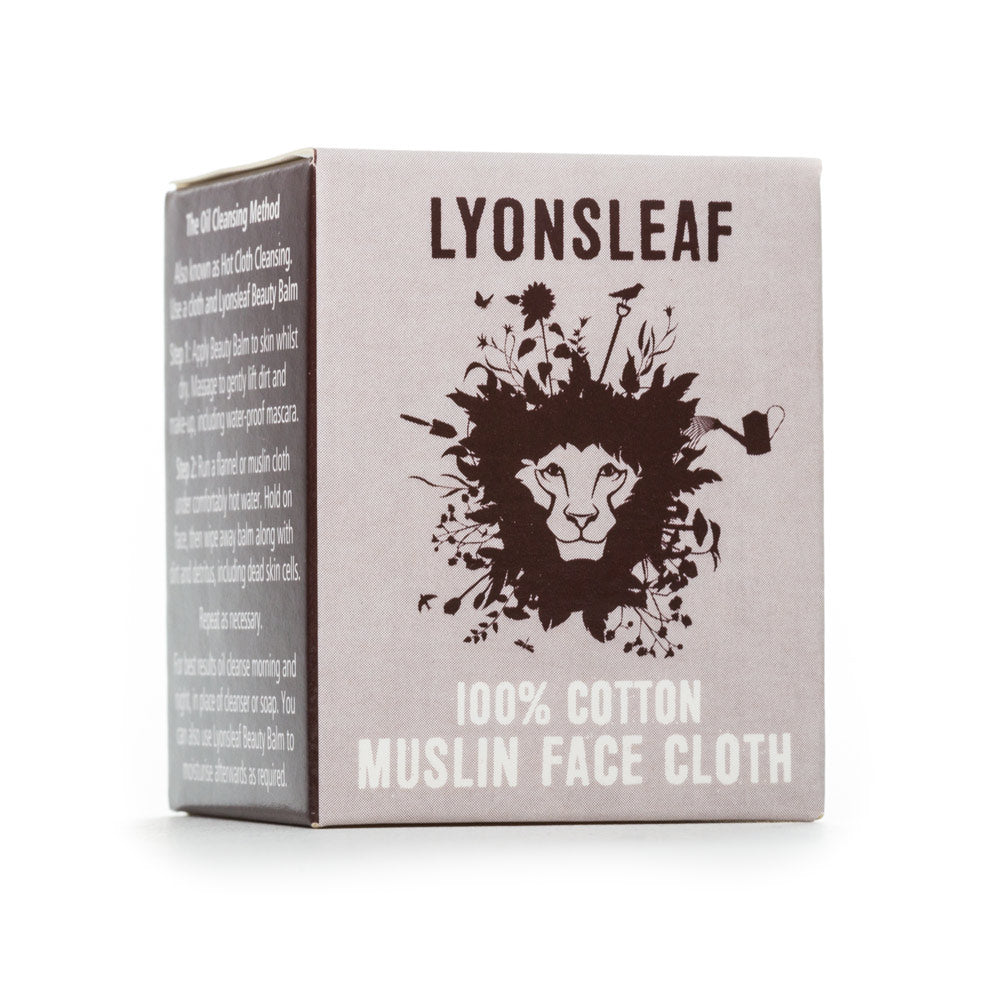
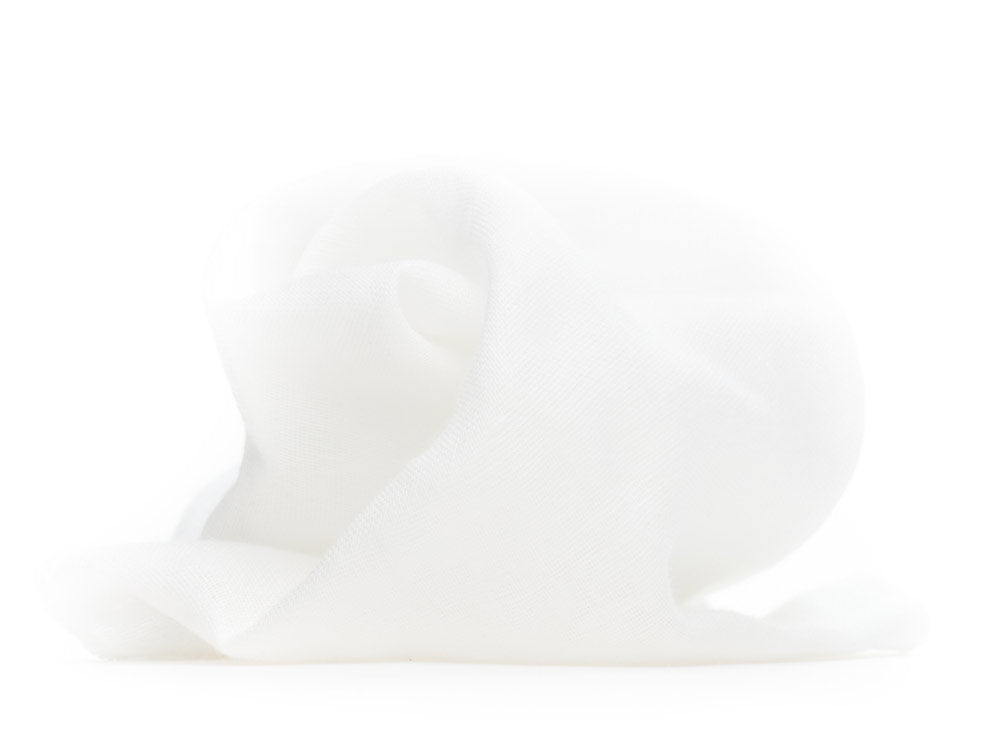 Muslin Face Cloths - PremiumVendor:Muslin Face Cloths - PremiumLyonsleaf Natural Skincare
- Regular price
-
£1.99 £9.99 - Regular price
-
- Sale price
-
£1.99 £9.99
Quick view
-
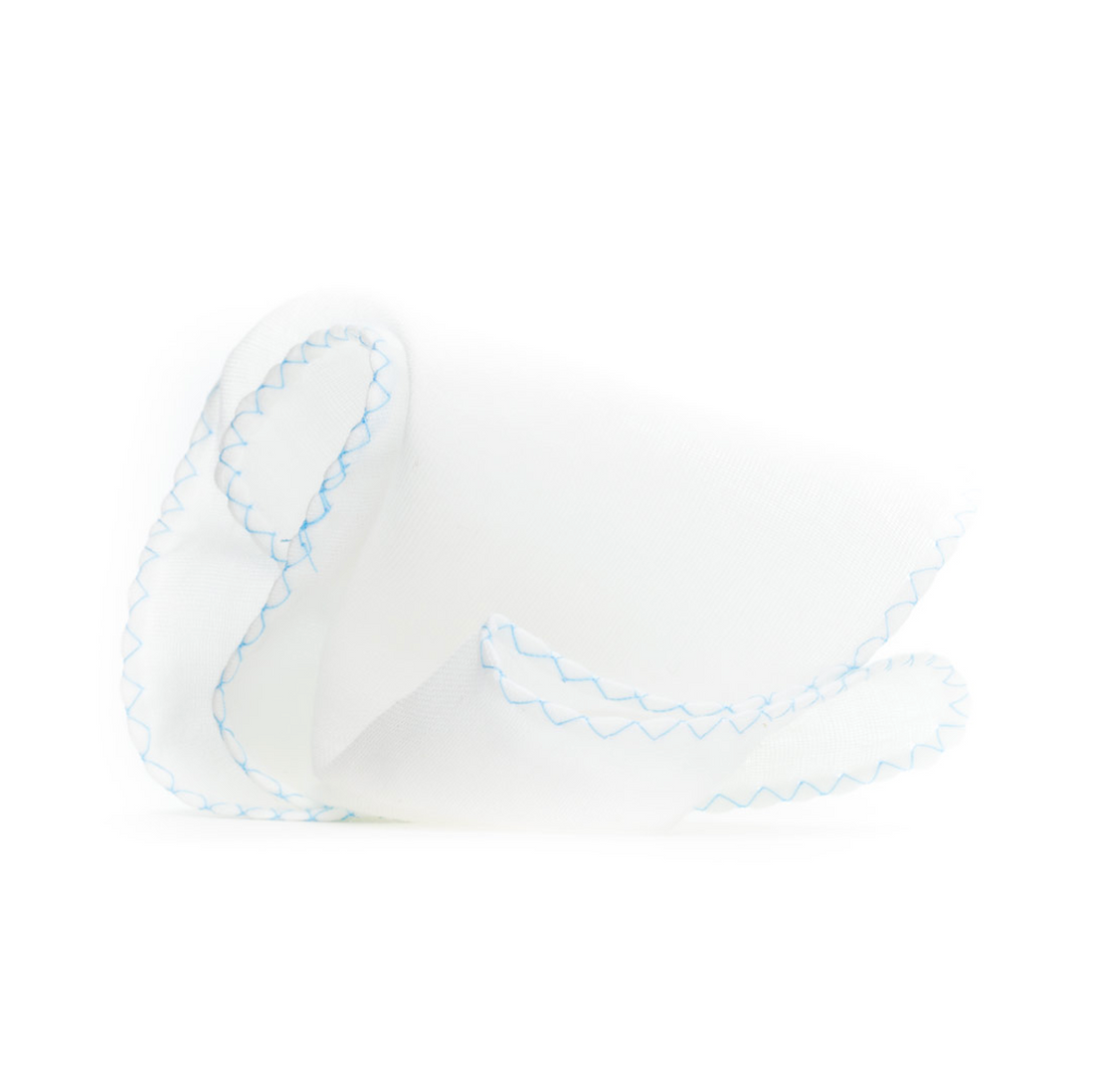 Muslin face cloths Basic - 5 packVendor:Muslin face cloths Basic - 5 packLyonsleaf Natural Skincare
- Regular price
-
£4.99 - Regular price
-
- Sale price
-
£4.99
Quick view
-
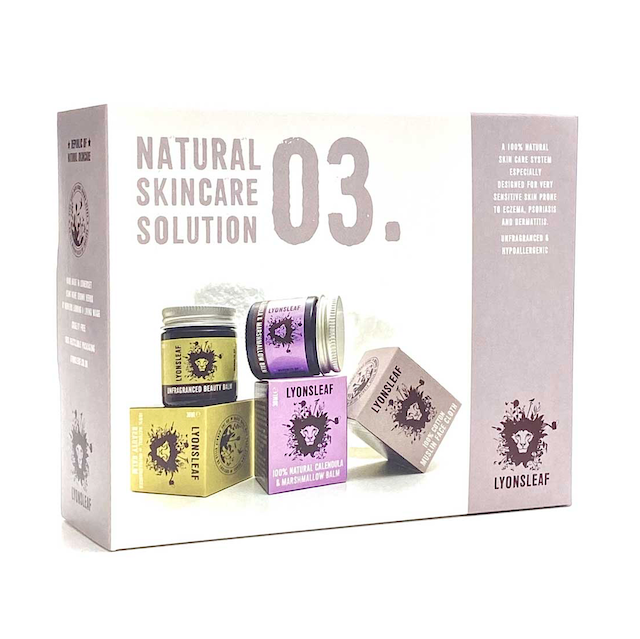
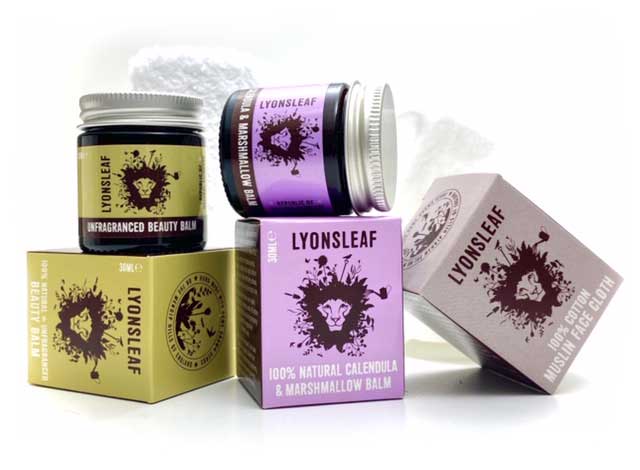 Natural Skincare Solution 03Vendor:Natural Skincare Solution 03Lyonsleaf Natural Skincare
- Regular price
-
£21.99 - Regular price
-
- Sale price
-
£21.99
Quick view
-
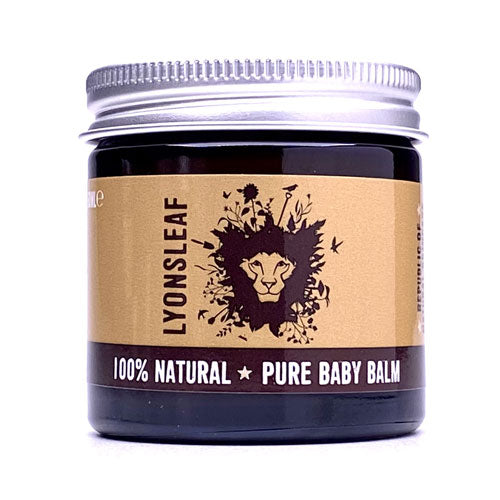
 Pure Baby BalmVendor:Pure Baby BalmLyonsleaf Natural Skincare
- Regular price
-
£2.75 £10.99 - Regular price
-
- Sale price
-
£2.75 £10.99
Quick view


